
Ask what lightning protection actually includes
When a solar proposal simply states that lightning protection is included, ask which equipment and work it covers. That phrase alone does not establish that every risk has been addressed. In a hypothetical comparison, one proposal includes equipment inside an electrical cabinet while another also includes checking an existing rooftop system. Similar item names can therefore involve different coordination work and deliverables.
SPDs and external protection serve different purposes
An SPD protects against transient overvoltages, while external lightning protection addresses direct lightning effects on a building. DEHN distinguishes these areas, and Schneider Electric explains that an existing lightning protection system does not always remove the need to consider SPDs. A designer should assess the whole installation in its actual conditions. Purchasing one component does not mean it fully substitutes for the other system.
Discuss the scope using the same drawing
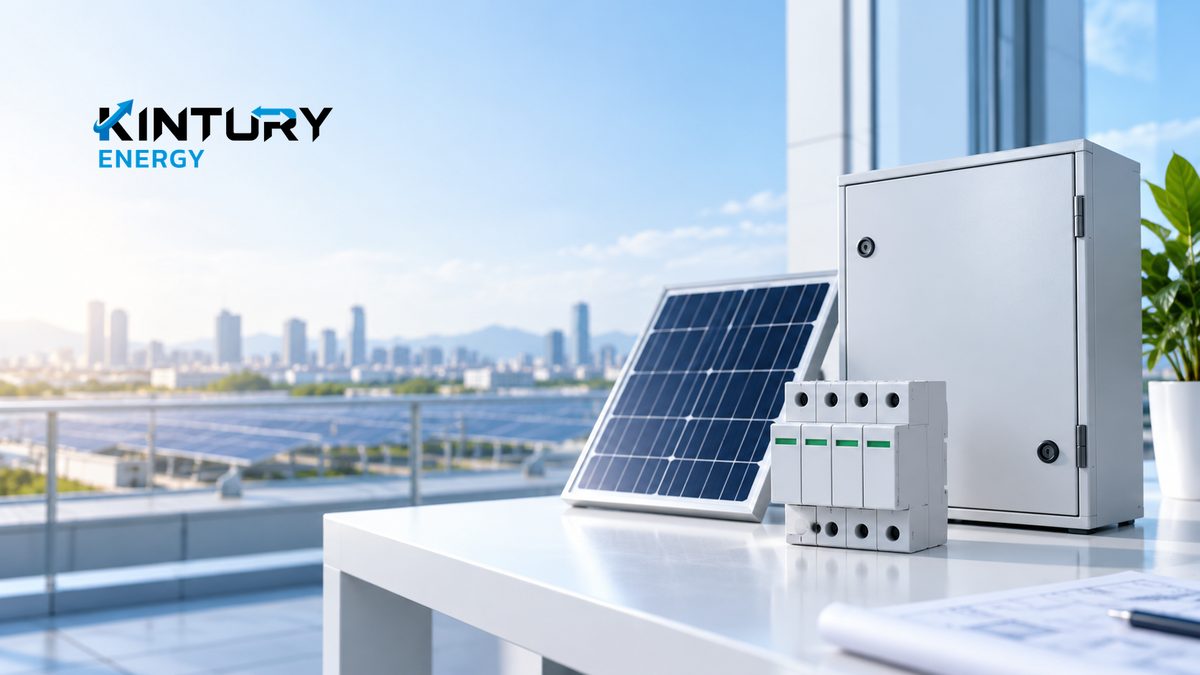
Ask the responsible professional to explain the scope considered for DC, AC and communication lines, including what still needs investigation. Schneider Electric discusses these paths, but its article is not an installation design for your building. Ask which devices are already built into equipment, which are proposed additions and what model documentation confirms this. A professional should select types, ratings and locations following assessment, rather than relying on a product photograph.
Coordinate new work with the existing system
If the building already has lightning protection, gather existing drawings, inspection history and roof modification records. Identify who will coordinate the existing system's custodian with the solar team. Meeting notes should distinguish confirmed facts from unresolved items, such as missing current drawings or an unidentified interface owner. A single roof photograph should not be treated as enough to certify that the systems are compatible.
Agree on handover records and fault reporting
Before agreeing to the work, request a list of deliverables such as as-built drawings, equipment schedules, manuals and inspection records included in the contract. Ask the installer to explain which status observations a user can make safely and whom to contact about abnormalities. One indicator light or symbol is not evidence that every part of the system is sound. Do not open cabinets or experiment with electrical wiring yourself.
Prepare information without assuming complete protection
People considering solar installation can share the proposal, available building drawings and protection-scope questions with Kintury Energy through its company contact channels so the team can assess what further site information is needed. This article helps organise questions; it is neither an engineering design nor assurance that a building has no remaining risk. Warranty and insurance terms must be read separately in the actual documents.