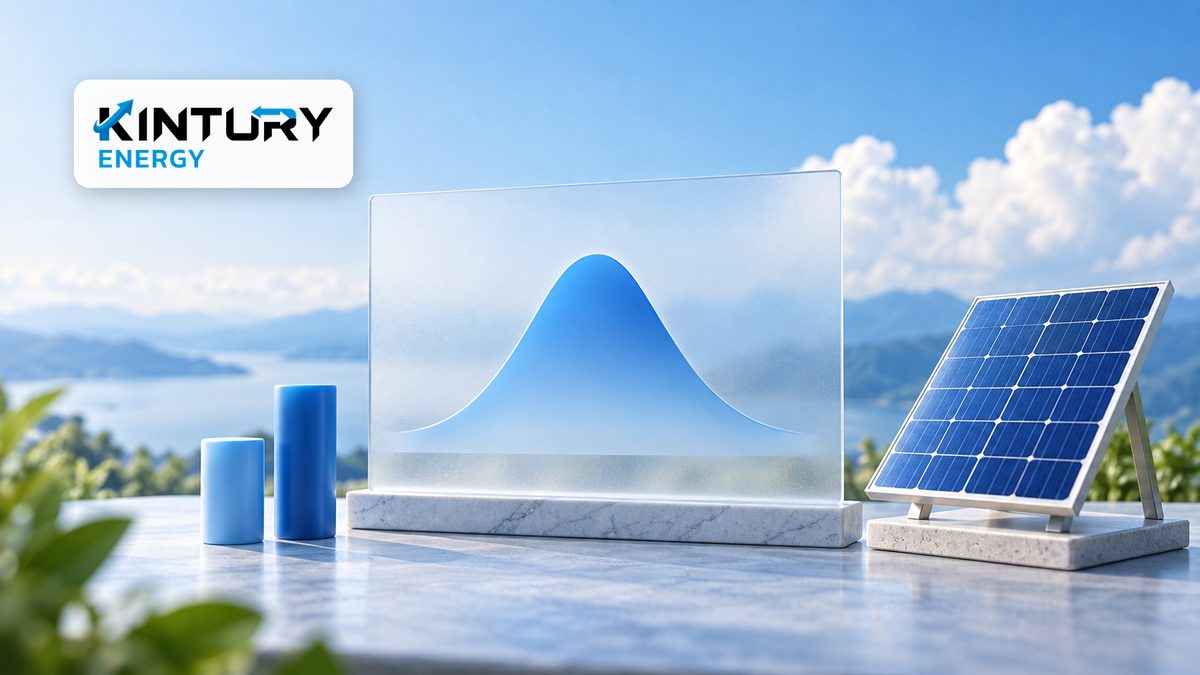

What do these figures describe?
When a solar proposal lists P50 and P90, do not read them as panel efficiency or a fraction of installed capacity that the system will produce. They express probability levels for yield under a model. This article concerns annual electrical energy, so check the kWh units, assessment period and energy measurement point before comparing figures from two proposals.
P90 is not P50 multiplied by ninety percent
The SAM guide describes P90 as a yield level the model expects to meet or exceed with a 90% probability; P50 uses a 50% threshold. Within the same assessment framework, P90 is therefore usually lower than P50 because it allows more room for uncertainty. It is not a promise that the actual system will achieve that output every year, nor does it mean the panels are 90% efficient.
Keep the example separate from a guarantee
Suppose a report gives P50 as 100,000 kWh a year and P90 as 92,000 kWh a year. These figures are illustrative, not a real project estimate. P90 need not be 90,000 kWh. Asking which assumptions explain the 8,000 kWh difference is more useful than applying a ten-percent reduction yourself. If the proposal includes a yield guarantee, read those contractual terms separately.
Request comparable inputs
Before choosing a proposal, request the weather dataset, site location, number of years used, report version and included losses. Ask the author which uncertainties were assessed, such as weather variability and input data. Put each report's assumptions beside its yield figures in a comparison table. If the periods or energy measurement points differ, request an explanation before concluding that one proposal offers better yield.
An annual result is not a monthly answer
PVsyst documentation cautions that an annual P90 assessment does not directly provide an hourly energy profile. Reducing every hour by one constant ratio therefore does not establish a valid P90 profile. Similarly, dividing an annual total by twelve does not mean every month should produce the same amount. Generated energy and bill reductions are also different quantities: consider how much the building consumes during generation hours.
Bring the report to a project discussion
For a solar installation discussion with Kintury Energy, prepare the complete proposal, assumptions table and building electricity-use information, and identify the figures you want to understand. The report and site context help you direct precise questions to the estimate's author. A P50 or P90 figure alone does not establish system suitability or confirm future savings.