
Two sides do not automatically multiply energy
If a proposal specifies bifacial solar panels, ask where light reaching their rear will come from at your site. The technology name does not mean twice the energy, and a percentage from another location should not be applied straight to your roof. This article helps prepare a design discussion; it is not a guide to modifying mounting structures yourself.
Look at surfaces and space behind the modules
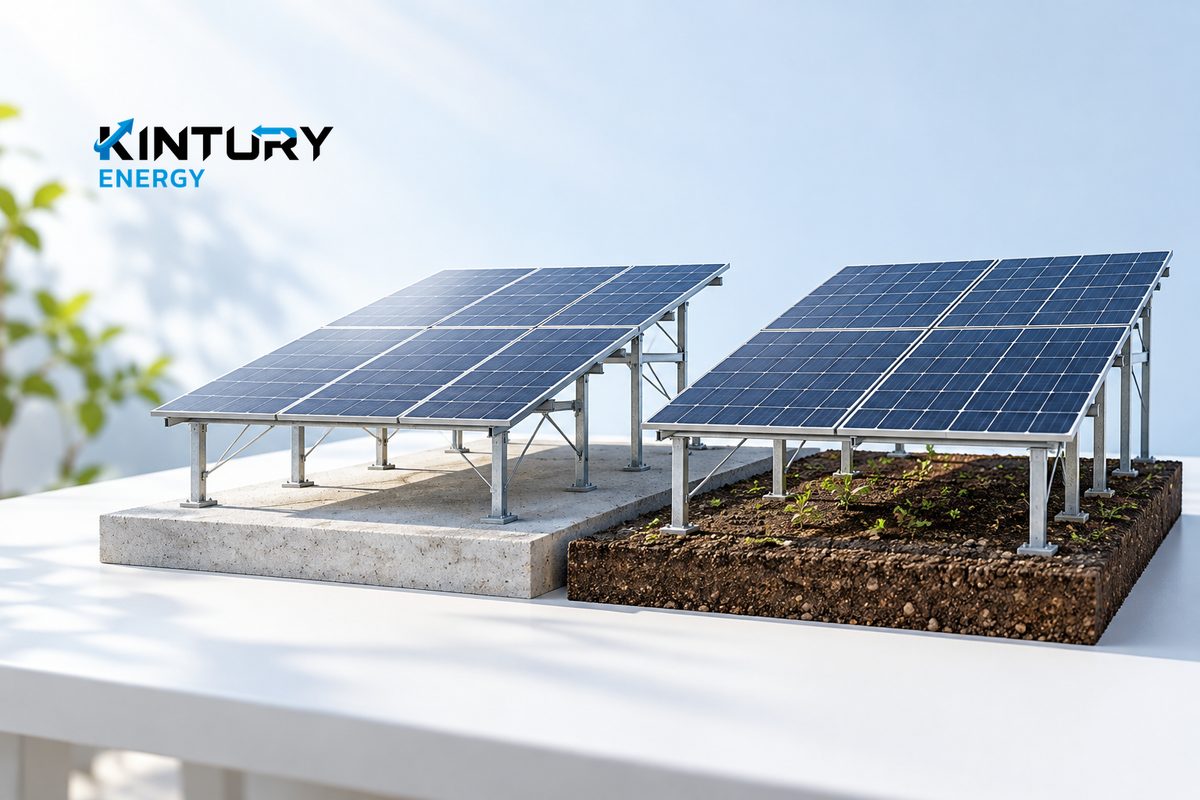
SAM's modeling documentation identifies ground reflectance, row spacing and ground clearance as important drivers of rear-side light. Ask what data the proposer used to represent your actual conditions for each input. Where modules sit close to a roof or obstructions are present, a picture showing transparent areas alone does not establish that the rear will receive all the light you expect.
Prepare photographs that show the rear environment
Discussion photographs should show the material and color beneath the modules, structural members and areas around the planned rows. Record when photographs were taken and whether they show existing conditions or a proposed change. For example, planned but unfinished roof repainting should remain a future assumption. Take photographs only from safely accessible locations; do not climb onto a roof or crawl beneath an installed system yourself.
Request two estimates using a comparable basis
A project owner could ask what the estimate would be without a rear-side contribution and which assumptions create the additional contribution when it is included. Ask the author to explain the difference using comparable equipment, site conditions and periods. Comparing a watt rating on one label with annual energy from another document will not explain the source of the proposed gain.
Separate technical options from changes to the site
If a proposal requires greater module height, a different roof surface or altered row positions, ask which work is included, who checks its suitability and which parts of the design need revision. The responsible team should consider structure, fixings, access and maintenance together. Do not raise modules or repaint surfaces solely to seek more reflected light before other work has been assessed.
Keep assumptions with the final proposal
Before deciding, request a list of verified site conditions and outstanding survey questions, together with the reason for choosing bifacial modules there. Bring site photographs, a preliminary layout and rear-light questions to Kintury Energy within its solar service scope. Have the team confirm the project's assessment method; neither the module name nor a sample image guarantees energy production.