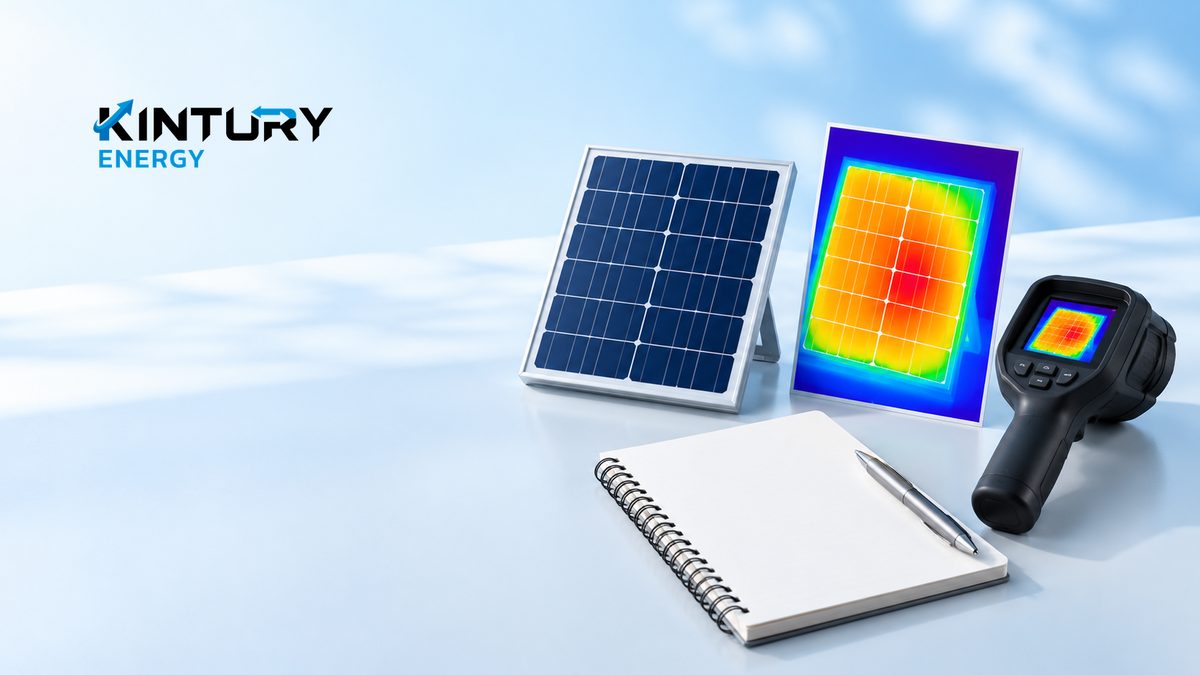

A vivid image starts a discussion
When you receive a solar thermal inspection report, do not approve panel replacement from one red patch alone. The image helps show thermal differences, but the building owner still needs to know which equipment was photographed, under what conditions, and what other evidence supports the findings. This article suggests questions for reading a report before deciding; it is not a guide to operating a camera or testing electrical equipment yourself.
Ask what the image can establish
FLIR explains that thermal images can reveal temperature differences potentially associated with cells, diodes or connections, and recommends using them alongside electrical testing. An area that differs from its surroundings should first be recorded as an observation. Ask what has been verified, what remains a hypothesis and what further inspection is needed. One image does not certify the condition of the entire system.
Match images to actual equipment
Request a visible-light image alongside the thermal image, plus the equipment identifier, row location or reference used consistently by the maintenance team. If the report shows only a close-up, request context linking it to the actual location. In a hypothetical example, two flagged images might show one panel from different angles or two separate panels. Resolve that ambiguity before counting repair items or requesting a quotation.
Read the time and inspection conditions
Record the inspection date and time, the system operating state and the environmental information used in the assessment. Ask which data were measured and which were not collected. For comparisons with an earlier visit, have the inspector explain how comparable the two inspections are. Colour intensity across different image sets is not a substitute for measured values and interpretation. Keep the original report so forwarding a cropped image through chat does not lose important details.
Separate findings from proposed repairs
For each location, list the observation, verification evidence, proposed action, responsible person and unanswered questions. If the cause is unknown, mark it for investigation rather than declaring a confirmed failure to close the item quickly. Ask why repair, replacement or repeat inspection is proposed, and let the responsible professional assess urgency against actual risk. Building owners should not open cabinets, disconnect connectors or climb onto roofs to verify an image themselves.
Agree how completed work will be documented
Before accepting remedial work, agree what inspection evidence will be returned and how it links to the original issue, such as the original location reference, work date and inspector's conclusion. Keep unresolved items separate from closed ones. You can discuss the report with Kintury Energy within your project's service scope and confirm whether specialist inspection is included in the contract. A report supports decisions; it does not guarantee freedom from future faults.