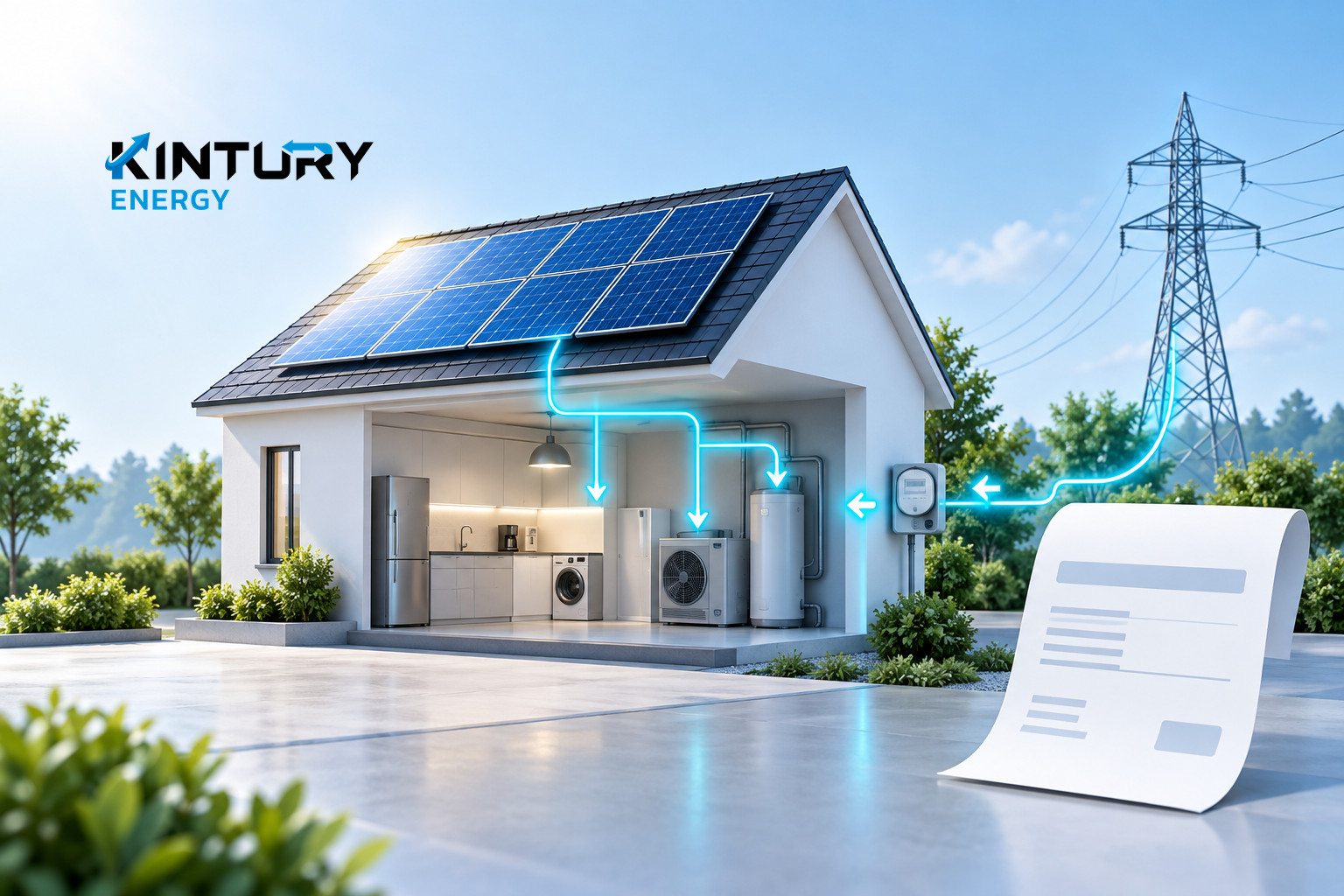

Generation and the amount billed answer different questions
A solar app reports energy generated, while an electricity bill shows charges under the data and terms of a billing period. Multiplying generation by a remembered electricity price does not establish how much the bill must fall. This article helps organize information to explain the difference; it is neither a guaranteed savings calculation nor an equipment fault diagnosis. Battery systems are outside its scope and require additional information.
Separate generation, on-site use and grid purchases
Australian government guidance explains that an inverter report may show only generation, while monitoring consumption and grid electricity may require additional metering. The useful organizing principle is to ask what each figure measures. Electricity tariffs and permission to sell power must be checked under the applicable Thai arrangements, rather than importing overseas terms. If the app does not show self-consumption, record the data as unavailable; do not infer it merely because the business is open all day.
The same generation can have different effects on grid purchases
Suppose a system without a battery generates 100 kWh over a period, and measurements confirm that 60 kWh of that solar energy is used immediately in the building. Self-consumption is 60, not 100. What happened to the remaining 40 must be checked against the actual system and its records; it is not automatically revenue. If another period has 80 kWh of self-consumption with the same generation, more solar energy was used in the building. This illustrates separate measurements, not proof that the bill falls in the same proportion.
Match the period and changes in business consumption
Mark the billing start and end dates on the solar records and obtain a report covering the same period. Note known holidays, operating hours and added equipment. For example, installing solar and adding air conditioners in the same month can leave grid purchases high. Comparing that bill with the previous month without considering changed consumption does not isolate the effect of solar. Keep measured information separate from assumptions about consumption without solar.
Keep energy quantities separate from monetary charges
Use separate columns for generation, self-consumption, grid purchases and billed amounts, with a source for each. To estimate money, ask the responsible person to explain the rates and charges applicable to the actual electricity account, rather than using one average price for every condition. Some billed items may not change directly with solar generation. When information is incomplete, summarize only what can be checked and mark the fields awaiting confirmation.
Prepare a focused review package
Gather the bills being compared, available generation and self-consumption reports, meter identification and notes on changed operating hours. Use them when asking Kintury Energy for support within the system's service scope. Ask which differences concern data periods, consumption or calculation methods. Do not change system settings yourself to make the figures match a bill. A useful reconciliation identifies both explained differences and further checks, without promising savings from a single screenshot.